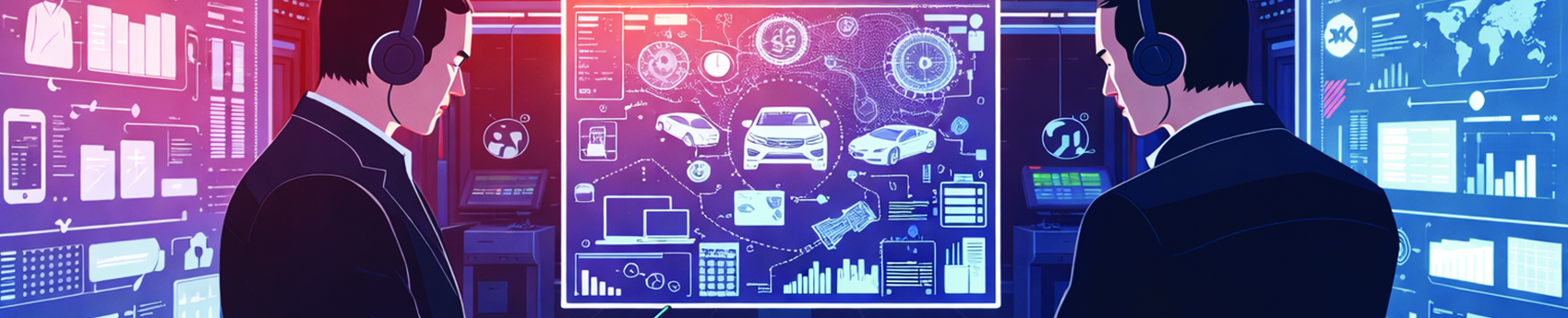
If you’re looking to cut risk, accelerate innovation, and
make better decisions before a product hits the market, digital twins for
product testing deserve your attention.
A digital twin is a virtual replica of a system or product
that you can use to replicate its behavior in a real operating environment.
That system could be a physical product, a manufacturing line, or even an
entire supply chain. Instead of guessing how something might perform, you can
see how it responds to real-world conditions before you ever build it.
What Is a Digital Twin?
A digital twin is a virtual clone of a product. It mimics
how a system behaves in its actual operating environment. They combine multiple
model types and pull data from various sources, processing information about
temperature, pressure, user behavior, and countless other variables that affect
your product in the real world.
With simulation and testing through digital twins, you’re
not relying on static assumptions; you’re working with a living, data-driven
representation. This multi-layered approach provides a more accurate picture
than traditional simulation methods ever could, meaning fewer surprises after
launch.
Beyond Basic Simulation: A Smarter Way To Test
Traditional simulations have their place, but they typically
focus on one aspect at a time. For example, how a component handles stress or
its thermal performance. But products don't operate in isolation; they face
multiple, unpredictable stresses simultaneously.
Using digital twins in product development solves this
limitation. Digital twins for smarter product testing take things further.
Because they process real-time or historical data from multiple inputs, they
can model how systems respond dynamically, providing a comprehensive view of
how various factors interact.
For example, virtual testing with digital twin technology
can simulate equipment wear, workflow bottlenecks, and supply fluctuations all
at once, creating “what if” scenarios that would be expensive or impossible to
replicate physically.
Using Digital Twins in Product Development: From Idea to
Launch
When you’re using digital twins in product development, you
shift from reactive problem-solving to proactive design. Engineers can explore
different materials, configurations, or features in a virtual environment
before committing to tooling or production.
That translates to faster development cycles, lower R&D
costs, and fewer design revisions. Improving product design with digital twins
also enables stakeholders to base decisions on data rather than intuition.
Marketing, operations, and engineering teams can align around shared insights
derived from a common digital model.
Testing Entire Systems
Digital twins for product testing aren’t limited to single
items. You can test an entire production line or supply chain.
That broader view lets you test how a product performs
across its full operating environment. Will a change in material impact
shipping weight and logistics costs? How will seasonal demand spikes affect
fulfillment times? Simulation and testing using digital twins can provide
answers before you commit resources, reducing risk and increasing control.
Smarter Decisions, Lower Risk
Many companies begin by creating digital twins for their
most critical products or problem-prone components and expand as they see
results.